

Bit Strap, Backstrap and Curb Chain: What Is the Difference?
When choosing a bit, we often focus on the mouthpiece or the cheekpieces — but the straps and chains used with the bit also have an important role. A backstrap, bit strap or curb chain can change how stable the bit feels, how quickly pressure comes into effect, and how clearly the horse receives the rider’s aids.
Here is a simple guide to understand the difference.
The Backstrap
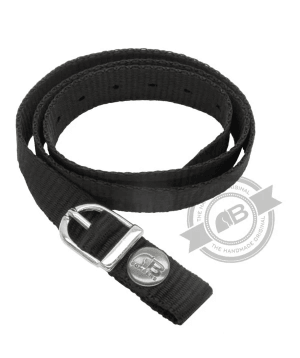
A backstrap is usually a nylon strap attached to the bit and adjusted with a buckle or press stud. It is generally used with loose cheekpieces and sits higher than a traditional curb chain.
Its main purpose is to help stabilise the bit. When fitted loosely, it can prevent the mouthpiece from being pulled too far through the horse’s mouth. It can also influence how quickly the leverage action of the bit comes into effect.
Because it works between the mouthpiece and the lower jaw, the backstrap can create a squeezing effect. For this reason, correct adjustment is very important.
A good approach is to start with the backstrap quite loose, then adjust gradually if needed. Even one hole can make a big difference to how the horse reacts. The goal is not to create more pressure, but to find the point where the bit is stable and the horse remains comfortable.
The Bit Strap
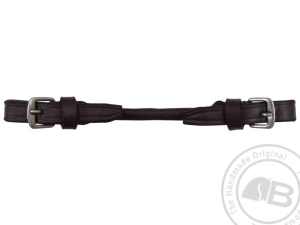
A bit strap is usually made of leather and is fitted below the reins on the cheekpiece. It also helps stabilise the bit and can prevent the mouthpiece from sliding through the horse’s mouth.
Bit straps are often used on loose cheekpieces, D-ring bits, or bits that are slightly large for the horse. They can help balance the cheekpieces and may create a small amount of cheek pressure.
In simple terms: a bit strap is not there to make the bit stronger. It is mainly there to improve stability and positioning.
The Curb Chain
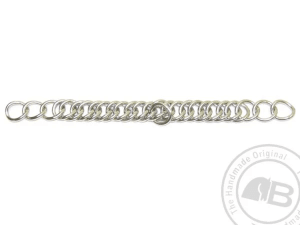
A curb chain is used with curb bits such as Pelhams, Weymouths or other bits with shanks. It lies in the horse’s chin groove and comes into action when the shanks rotate.
The curb chain has two main effects. First, it applies pressure to the chin groove. Second, it limits how far the shanks can rotate, which influences the leverage action of the bit.
A tighter curb chain acts more quickly. It limits shank rotation sooner and brings pressure into effect faster.
A looser curb chain acts more slowly. It allows more rotation before the chain engages, which can increase the leverage effect on the mouthpiece.
The chin groove is a sensitive area, so comfort matters. A leather curb strap or a gel curb guard can help soften the pressure and make the action kinder for the horse.
In Short
A backstrap helps stabilise the bit and controls how quickly leverage begins.
A bit strap helps keep the bit in place and prevents sliding.
A curb chain works with leverage bits and affects both chin pressure and shank rotation.
Small adjustments can make a big difference. The best setup is always the one that keeps the horse comfortable, responsive and relaxed.
Source: Bombers Education